Monochromatic Mastery: Exploring Subtle Nuance in Neutral Tones
“Mastering the art of single-palette dressing through rich textural contrasts, tonal layering, and mindful accessorizing. How to create compelling outfits using shades of ecru, slate, camel, and taupe.”
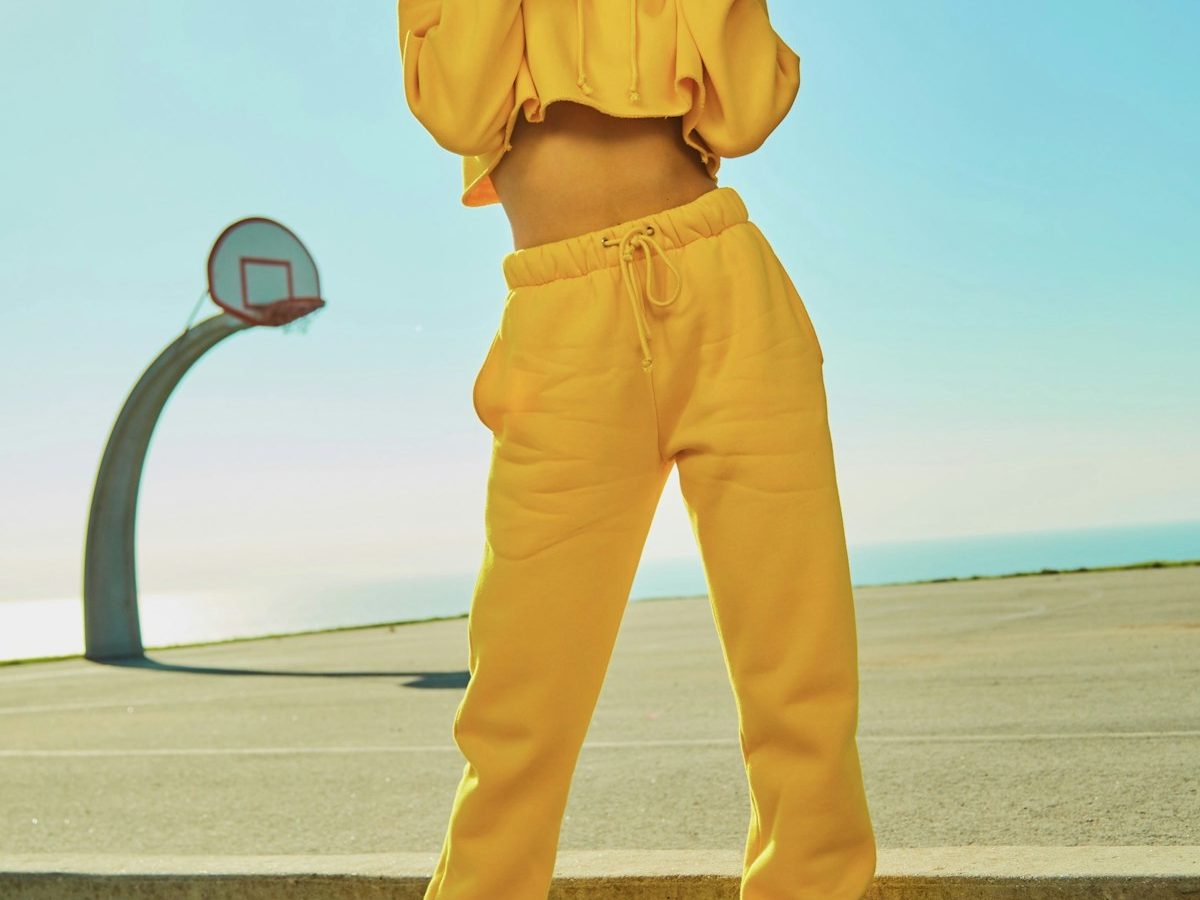
Monochromatic dressing is often misunderstood as simple or monotonous, yet when executed with intention, it represents the absolute pinnacle of sartorial sophistication. By limiting an ensemble to variations of a single color family, you remove visual distraction and allow cut, drape, proportion, and texture to take center stage. Dressing in continuous tonal layers creates an uninterrupted visual column that elongates the silhouette and projects an aura of serene composure.
The foundational principle of successful monochromatic dressing is textural diversification. Wearing identical flat fabrics from head to toe can appear lifeless; however, combining contrasting textures in matching tones creates immediate depth and vitality. Imagine pairing a ribbed merino wool sweater with fluid silk crepe trousers, a brushed suede shoulder bag, and polished patent leather boots—all rendered in nuanced shades of oatmeal, cream, and warm stone. The interplay of light reflecting off diverse surfaces brings rich dynamism to the outfit.
Working with neutral palettes—such as warm taupes, cool slates, rich espressos, and sun-bleached ecrus—requires careful attention to undertones. Harmonizing garments with warm golden undertones separately from those with cool blue or pink bases ensures a cohesive aesthetic result. When undertones match, disparate pieces seamlessly unite as if they were designed as a custom ensemble, regardless of where or when they were individually sourced.

Proportion and silhouette play heightened roles in monochromatic styling. Because high-contrast color breaks are absent, the eye focuses on structural lines, hemline placements, and waist definition. A wide-leg pleated trouser looks breathtaking when paired with a slim-fitting fine-gauge knit and an architectural longline duster coat that swishes gracefully with movement. Adding structural contrast keeps tonal dressing fresh and contemporary.
Jewelry and hardware choices should act as subtle accents rather than loud focal points. Brushed gold rings, sculptural brass earrings, or clean silver bangles add quiet luminescence without breaking the harmony of the palette. Similarly, makeup should lean into clean, luminous skin, neutral lip stains, and brushed brows to maintain the organic sophistication of the entire presentation.
Dressing in monochrome simplifies your morning routine while elevating your everyday presence. It allows you to move through the world with calm self-assurance, knowing that your visual harmony speaks volumes through quiet craftsmanship and thoughtful nuance.
The power of monochromatic styling lies in its ability to create an instantly recognizable signature silhouette. By removing the distraction of contrasting colors, the eye naturally appreciates the purity of line, the drape of luxurious fabrics, and the thoughtful architectural proportions of your ensemble. Whether walking through bustling city streets or attending an intimate dinner, a monochrome outfit communicates understated confidence and deliberate artistic intent.
Experimenting with monochromatic layering across different seasons offers infinite creative possibilities. In colder months, heavy cable knits, brushed wool coats, and suede accessories in varying shades of charcoal create rich, cozy depth. In warmer seasons, breezy linen shirts, fluid silk culottes, and woven straw bags in shades of alabaster and ivory reflect sunlight and exude relaxed resort elegance.
To add subtle interest to tonal dressing, play with asymmetrical hemlines, architectural collars, and contrasting matte and satin finishes. A fluid silk shirt peeking out from beneath a heavyweight matte wool sweater creates an alluring visual texture that catches the light with every movement. In the quiet symphony of tonal dressing, restraint becomes your greatest stylistic superpower.
Building a conscious approach to fashion requires unlearning the cycle of impulsive consumption that dominates fast-trend culture. When we choose garments made from natural fibers, supported by ethical tailoring and timeless design codes, we invest in our own sense of personal ease and creative sovereignty. The true essence of style lies not in novelty, but in the harmony between silhouette, material honesty, and authentic personal expression.
Caring for our wardrobe through mindful laundering, gentle steaming, and timely repairs allows each piece to age with grace and dignity. Rather than discarding garments when buttons loosen or seams fray, restoring them becomes an act of stewardship and gratitude. This enduring bond between the wearer and their clothing redefines luxury as longevity, intentionality, and heartfelt appreciation.