Botanical Living: Inviting Nature Indoors Through Biophilic Design
“How living greenery, natural light studies, and organic forms foster wellness and tranquility within urban apartments. Learn how mindful plant care connects us to seasonal rhythms.”

Human beings possess an innate biological affinity for the natural world—a phenomenon known as biophilia. As modern life increasingly confines us within concrete structures and digital environments, our deep-seated need for living greenery, organic textures, and natural rhythms becomes ever more acute. Incorporating biophilic design principles into domestic spaces restores this vital connection, lowering blood pressure, reducing anxiety, and infusing urban apartments with vibrant life.
Curating indoor botanical collections requires viewing plants as living sculptures rather than decorative props. Architectural specimens—such as the graceful fiddle-leaf fig, the sculptural olive tree, the cascading string of hearts, or the dramatic monsteras—introduce dynamic organic shapes that soften the rigid angularity of modern rooms. Grouping plants with contrasting leaf textures, varying heights, and diverse shades of green creates rich botanical vignettes that evolve continuously over seasons.
Selecting beautiful planters is essential for integrating flora seamlessly into your interior aesthetic. Replace cheap plastic nursery pots with porous terracotta vessels, hand-thrown stoneware planters, weathered concrete urns, or woven seagrass baskets. These natural materials provide healthy aeration for plant root systems while contributing earthy warmth and tactile charm to your shelves, window sills, and floor corners.
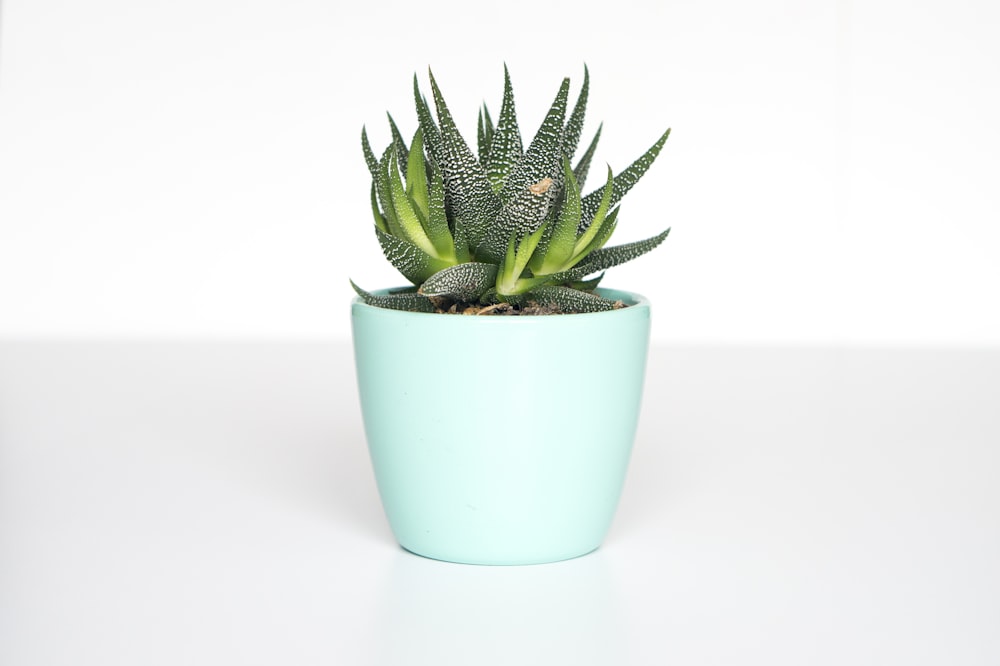
The daily and weekly rituals of plant care offer a grounding, meditative break from screen work. Inspecting tender new unfurling leaves, gently wiping dust from broad foliage, checking soil moisture levels with your fingertips, and bottom-watering terracotta pots grounds your attention in patient biological time. Watching a plant flourish under your care fosters a nurturing relationship with living ecosystems right inside your home.
Beyond living foliage, biophilic design encompasses optimizing natural daylight, introducing natural ventilation, and incorporating organic materials throughout your decor. Maximizing natural light exposure through sheer linen curtains, utilizing raw timber surfaces, and displaying collections of smooth river stones or dried botanical pods reinforces your home’s connection to the earth.
Living among lush greenery transforms an ordinary apartment into a breathing sanctuary. It reminds us of resilience, growth, and the quiet beauty of natural cycles, creating a home environment that nourishes both body and soul.
The subtle air-purifying qualities and psychological benefits of indoor plants make them essential companions for urban apartment dwellers. Studies show that caring for living foliage reduces stress levels, improves concentration, and stimulates positive mood states. Surrounding yourself with diverse leaf shapes, cascading vines, and lush greenery creates an indoor forest that shields you from urban concrete and digital fatigue.
Designing plant arrangements with varying heights and light requirements transforms ordinary rooms into lush biophilic sanctuaries. Placing hanging planters in front of sunlit windows, tall potted trees in empty corners, and compact succulent gardens on bookshelves brings visual rhythm and organic vitality to every angle of your home, turning everyday living spaces into thriving natural ecosystems.
Propagating your houseplants through stem cuttings rooted in glass vessels offers a delightful study in plant biology and life cycles. Sharing rooted cuttings with friends, neighbors, and colleagues spreads botanical joy and strengthens community bonds, turning your indoor garden into a living network of shared friendship and greenery.
Intentional living begins with the quiet realization that our immediate environment shapes our thoughts, emotions, and inner peace. By eliminating clutter, choosing tactile handcrafted furnishings, and establishing mindful daily routines, we create spaces that foster deep relaxation and creative flourishing. Our home transforms into a sacred retreat from the demands of the modern world.
Cultivating mindful habits throughout the day—whether through dedicated tea preparation, analog journaling, or quiet evening walks—anchors our attention in the present moment. In these unhurried pauses, we discover a wellspring of gratitude and clarity that sustains us through life’s inevitable transitions and complexities.
Embracing this mindful philosophy fosters a lifelong appreciation for patient craftsmanship, ethical sustainability, and thoughtful restraint. When we choose to surround ourselves with objects and practices that honor natural beauty and human dedication, we cultivate a deeper sense of everyday harmony, creative vitality, and lasting joy.