Mallorca Beyond the Coast: Tramuntana Hideaways and Bohemian Ateliers
“Discovering the rugged mountain villages, ancient olive terraces, and artistic enclaves of Mallorca’s UNESCO-protected Serra de Tramuntana range.”
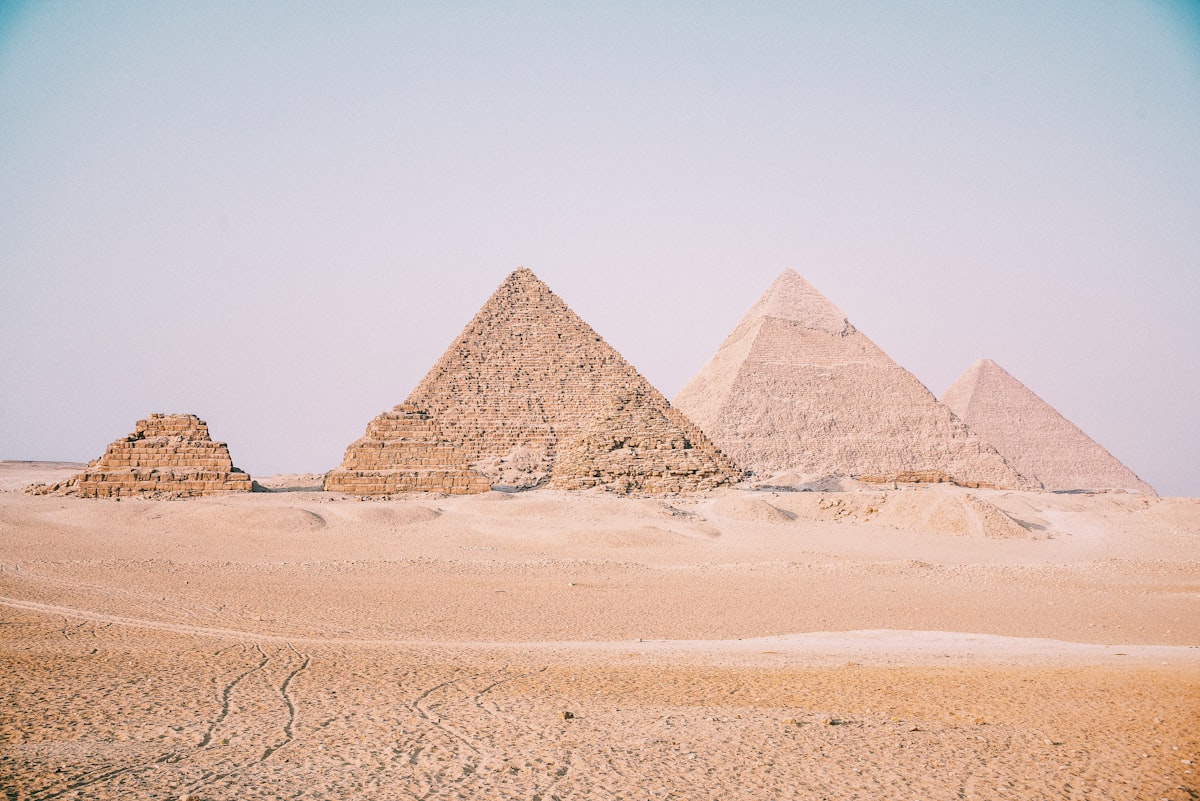
While Mallorca is widely celebrated for its turquoise coastal calas and golden sandy beaches, the island’s most enchanting and contemplative soul resides high up in the rugged peaks of the Serra de Tramuntana. This UNESCO World Heritage-listed mountain range, with its dramatic limestone cliffs, ancient terraced olive orchards, and tranquil stone villages, has long served as a haven for artists, writers, and travelers seeking quiet creative inspiration.
The picturesque villages of Deià, Valldemossa, and Fornalutx are nestled gracefully into mountain folds overlooking the Mediterranean. Deià, in particular, with its ochre-colored stone cottages, cascading bougainvillea, and views of the sea, has attracted literary icons and painters for over a century. Wandering its narrow paths, you discover independent ceramic studios, intimate painting galleries, and family-run cafés where visitors linger over cortados and freshly squeezed orange juice.
Hiking along ancient dry-stone paths—such as the historic Dry Stone Route—leads through fragrant pine forests, terraced groves of thousand-year-old olive trees, and mountain passes offering breathtaking vistas of jagged coastlines and azure waters. The gentle sound of sheep bells ringing across quiet valleys and the refreshing mountain breezes create a serene environment for contemplative walking and nature immersion.
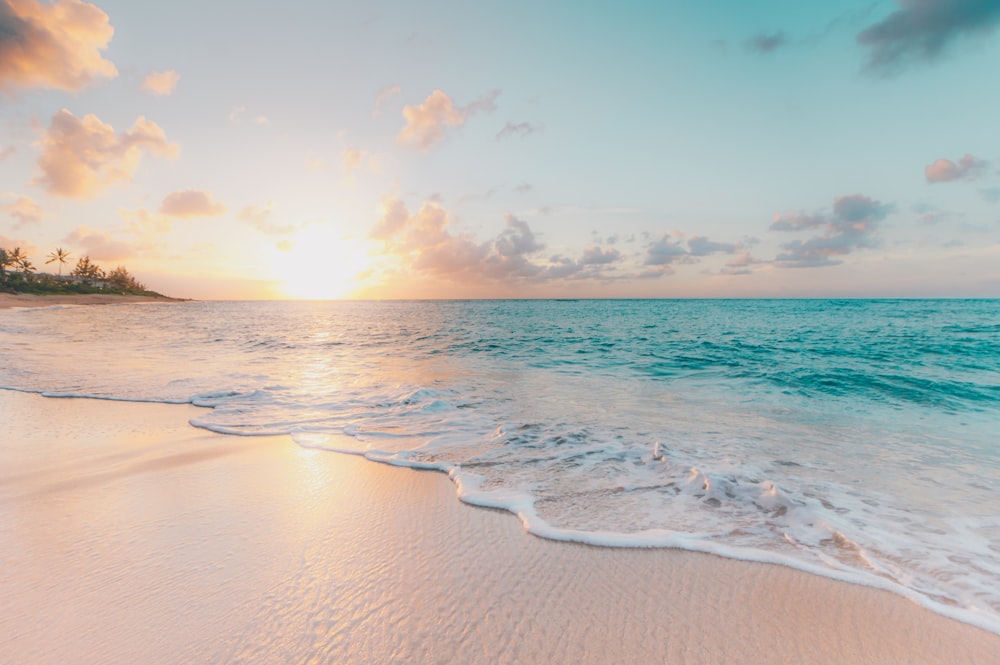
Restored historic fincas—traditional Mallorcan agricultural estates—have been transformed into serene boutique hotels that celebrate local architecture and craftsmanship. Featuring thick limestone walls, terracotta tile floors, exposed timber beams, and private plunge pools fed by mountain springs, these sanctuaries offer total privacy and comfort. Farm-to-table dining at the fincas highlights fresh ingredients gathered directly from organic kitchen gardens, local almond orchards, and nearby fishing ports.
A visit to the secluded cove of Cala Deià provides a magical conclusion to a mountain day. Walking down through shady olive groves, you reach a rocky inlet where wooden fishing boats bob gently in emerald water. Sitting at the rustic seafood shack perched upon the cliff edge, savoring freshly caught grilled sea bass while waves crash against sea-carved rocks, is an unforgettable experience of raw Mediterranean beauty.
Exploring Mallorca’s mountain heartland reveals an island rich in history, natural grandeur, and creative vitality. It encourages travelers to look beyond superficial resort scenes and discover places of enduring authenticity and quiet wonder.
The Serra de Tramuntana mountains offer a haven of tranquility where travelers can disconnect from modern noise and immerse themselves in the restorative rhythms of nature. Wandering through ancient olive groves, listening to the gentle rustle of leaves in mountain breezes, and gazing out over azure Mediterranean waters restores mental clarity and deep creative inspiration.
Mallorca’s vibrant community of independent artisans—from potters in Marratxí to glassblowers and weavers in rural workshops—continues to preserve ancient island craft traditions. Visiting their sunlit ateliers and learning about their sustainable practices provides a meaningful connection to the island’s rich artistic soul.
Leaving the quiet sanctuary of the Tramuntana range, travelers carry a renewed appreciation for wild island beauty, architectural heritage, and slow, respectful exploration. Mallorca remains an enduring testament to the restorative power of mountains, sea, and human craft.
The essence of slow travel lies in surrendering the desire to consume destinations as mere checklists, choosing instead to be transformed by their quiet rhythms and local communities. By lingering in village squares, sharing meals with resident artisans, and walking unhurried along ancient pathways, we forge genuine emotional connections with the places we visit.
Traveling with cultural humility and environmental reverence leaves a positive footprint on delicate landscapes and heritage traditions. When we honor local customs and support independent family-run hospitality, travel becomes a profound mutual exchange of stories, respect, and human warmth.
Embracing this mindful philosophy fosters a lifelong appreciation for patient craftsmanship, ethical sustainability, and thoughtful restraint. When we choose to surround ourselves with objects and practices that honor natural beauty and human dedication, we cultivate a deeper sense of everyday harmony, creative vitality, and lasting joy.