Puglia Undiscovered: Ancient Masserias, Olive Groves, and Salento Breezes
“Savoring the timeless rustic luxury of southern Italy, where whitewashed stone estates, centuries-old olive orchards, and Adriatic sea breezes redefine luxury through simplicity and local harvest.”
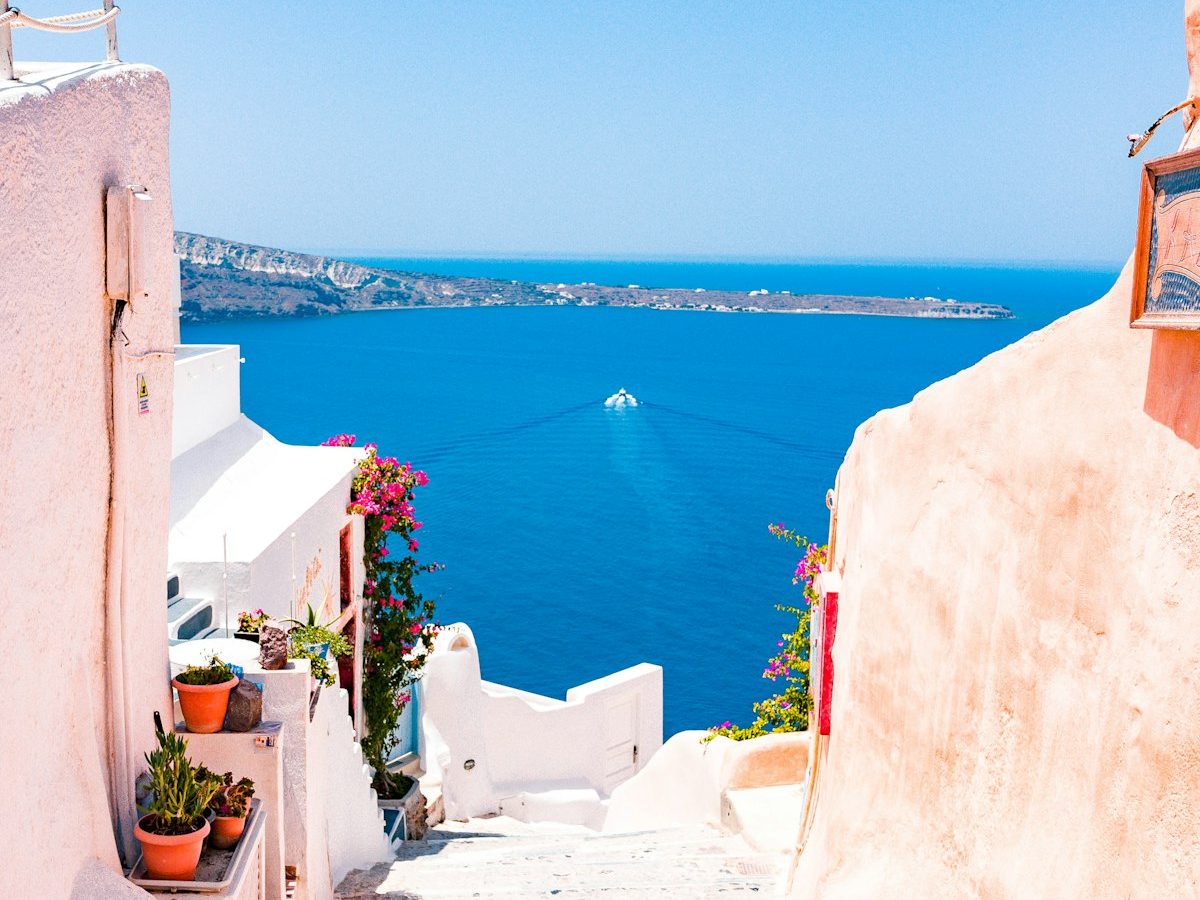
Puglia, the sun-drenched southern heel of Italy, offers an intoxicating antidote to the frantic pace of modern life. Here, bordered by the sapphire Adriatic and turquoise Ionian seas, stretches a timeless agricultural landscape of ancient gnarled olive trees, red earth, and fortified whitewashed masserie estates. To travel through Puglia is to surrender to the slow, golden rhythm of the Mediterranean, where days are measured by the quality of the light, the warmth of the sea, and the unhurried joy of shared meals.
Restored historic masserias—fortified agricultural manor houses dating back centuries—have emerged as some of the world’s most exquisite boutique sanctuaries. Featuring thick whitewashed tufa stone walls that keep interiors refreshingly cool during midday heat, vaulted ceilings, and secluded courtyard gardens filled with blooming jasmine and lemon trees, these estates blend rustic authenticity with refined minimalism. Waking to birdsong and the scent of wild rosemary instantly restores a sense of peace.
Culinary traditions in Puglia represent the pure essence of Cucina Povera—the philosophy of elevating humble, seasonal ingredients through simple, masterly preparation. Breakfasts at the masseria feature warm handmade burrata cheese, sun-ripened tomatoes drizzled with peppery green olive oil pressed on the estate, and freshly baked focaccia sprinkled with sea salt and rosemary. Long, languid lunches under shaded pergolas celebrate handmade orecchiette pasta tossed with wild turnip tops, accompanied by chilled carafes of crisp local white wine.
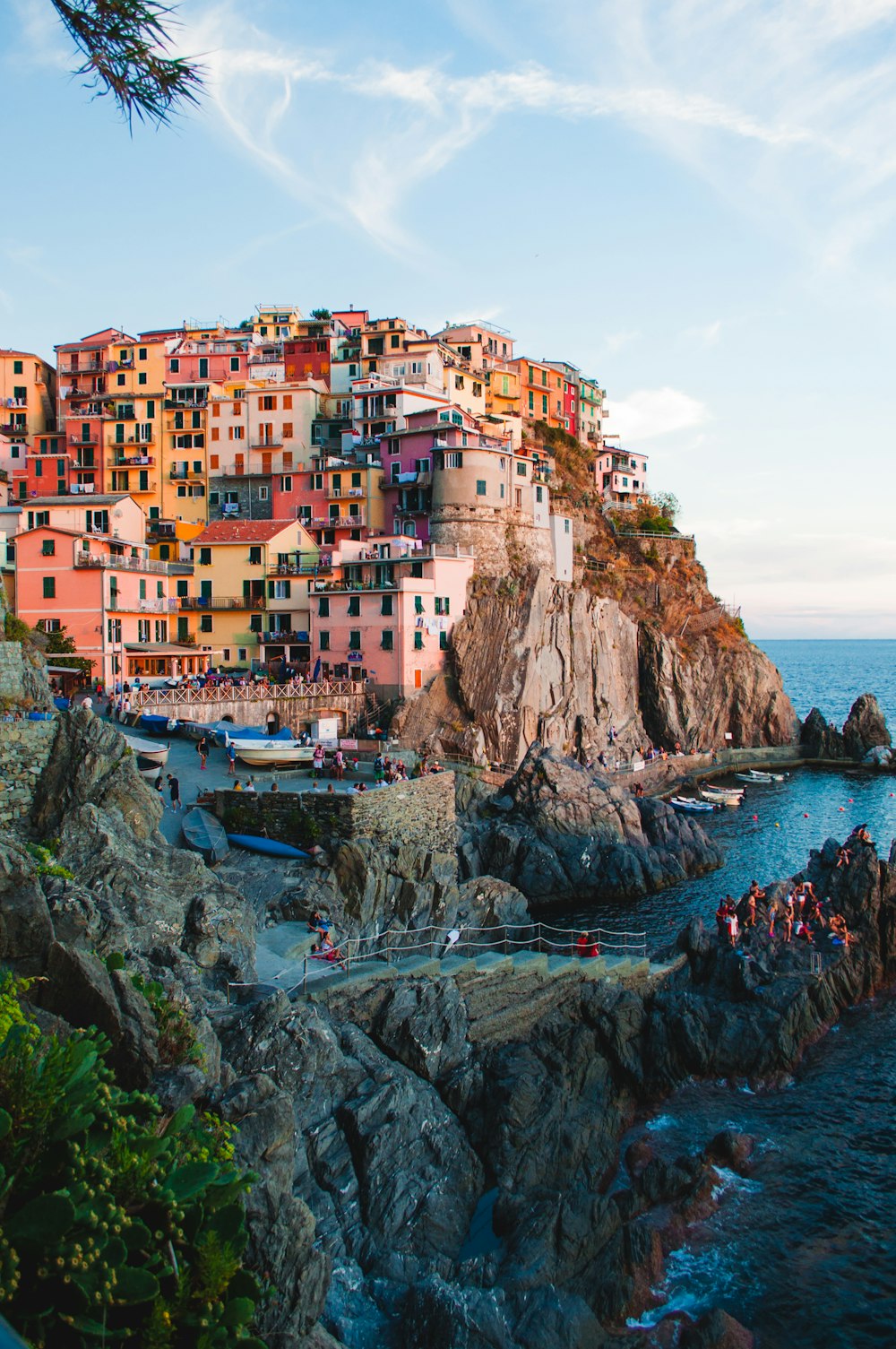
Exploring the historic towns of the Itria Valley feels like stepping into a fairytale. The whitewashed circular trulli dwellings of Alberobello and the pristine hill towns of Ostuni and Martina Franca boast labyrinthine alleys where colorful laundry billows in the sea breeze and elderly artisans weave wicker baskets in sunlit doorways. In the evening, the town piazzas come alive with vibrant passeggiata strolls as locals of all generations greet one another with genuine warmth.
The coastline of Salento offers secluded rocky coves, natural sea caves, and crystal-clear swimming spots where the water is so transparent that fishing boats appear to float on air. Diving into the warm Mediterranean waters and drying off on sun-warmed limestone boulders cleanses the mind of residual stress, grounding you in the raw sensory pleasure of sea, sun, and stone.
Puglia’s enduring charm lies in its unpretentious soul. It reminds us that true luxury is not defined by gilded opulence, but by fresh food gathered from rich soil, clean sea air, and the precious luxury of unhurried time.
The rich agricultural heritage of Puglia extends to its historic vineyards and olive oil mills. Visiting family-owned estates where century-old olive trees continue to produce liquid gold reveals traditions of sustainability and land stewardship that have endured through countless generations. Tasting peppery, unfiltered olive oil drizzled over warm country bread connects travelers directly to the fertile red soil of the Salento plain.
Spending evenings in Puglia’s coastal villages as fishermen haul their wooden boats onto pebbled beaches offers an intimate glimpse into traditional Mediterranean life. Savoring fresh seafood at seaside trattorias while listening to the gentle lap of Adriatic waves creates memories of tranquil simplicity that remain long after your vacation concludes.
Puglia reminds us that the greatest pleasures in life are uncomplicated: warm bread dipped in fresh olive oil, the refreshing splash of clear seawater, the laughter of friends around a rustic table, and the golden warmth of the setting sun over ancient olive groves.
The essence of slow travel lies in surrendering the desire to consume destinations as mere checklists, choosing instead to be transformed by their quiet rhythms and local communities. By lingering in village squares, sharing meals with resident artisans, and walking unhurried along ancient pathways, we forge genuine emotional connections with the places we visit.
Traveling with cultural humility and environmental reverence leaves a positive footprint on delicate landscapes and heritage traditions. When we honor local customs and support independent family-run hospitality, travel becomes a profound mutual exchange of stories, respect, and human warmth.