Kyoto in Autumn: Moss Gardens, Zen Aesthetics, and Ryokan Sanctuaries
“An immersive journey through the historic alleyways, ancient cedar forests, and contemplative traditional inns of Japan’s cultural heart. Discover the quiet magic of slow exploration in ancient Kyoto.”
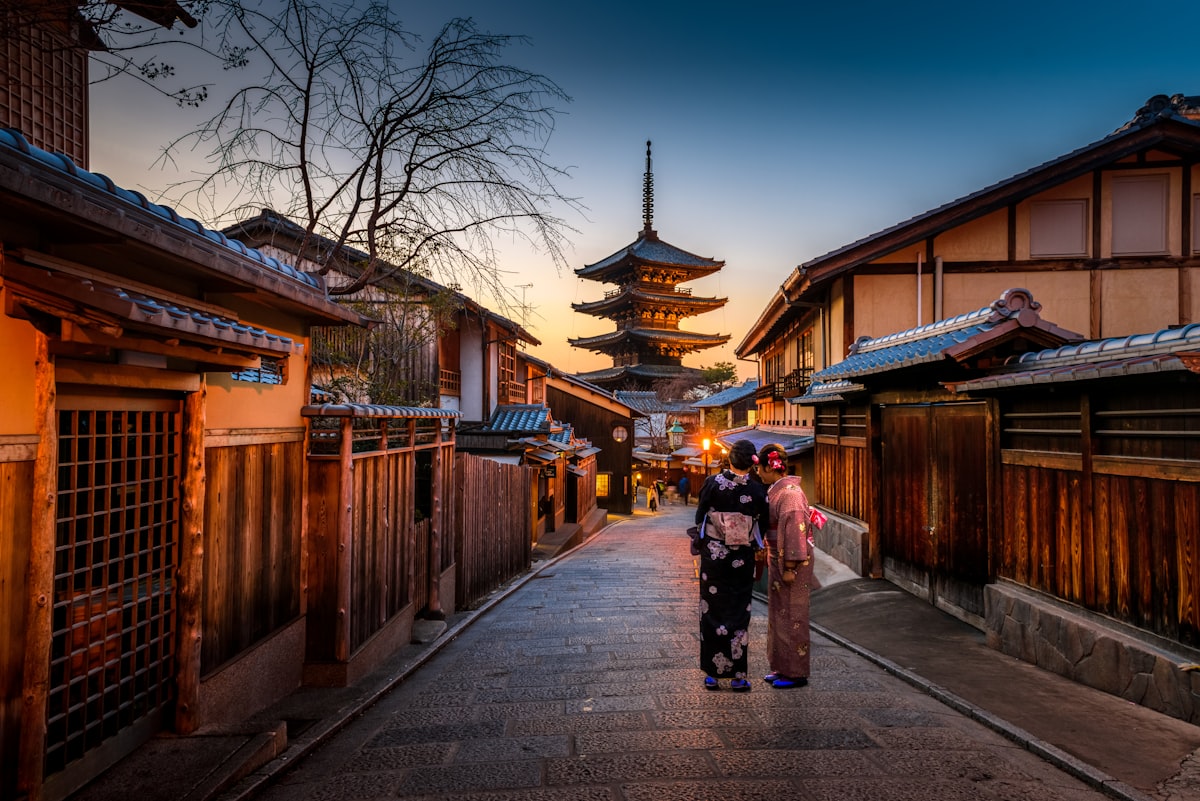
Kyoto possesses an extraordinary capacity to quiet the modern mind, inviting travelers into a world where architecture, nature, and centuries of refined cultural practice exist in exquisite equilibrium. In the crisp days of autumn, when the surrounding mountain forests ignite in fiery crimsons and golden maples, the city’s ancient temples and moss-draped courtyards offer an unforgettable masterclass in atmospheric serenity and aesthetic reverence.
To experience the true soul of Kyoto, one must deliberately abandon hurried sightseeing checklists and embrace slow, wandering exploration. Walking along stone-paved lanes in historic Gion or Higashiyama in the misty morning hours, before shop shutters open, reveals quiet details: the rhythmic sweep of a wooden broom across bamboo gates, the gentle trickle of water into stone purification basins, and the delicate scent of cedar incense wafting from neighborhood shrines.
The city’s Zen temple gardens are masterpieces of landscape art designed for meditation. At historic temples, carefully raked gravel seas surround mossy stone islands, creating abstract representations of cosmos and ocean that invite endless contemplative gazing. Sitting on polished cedar verandas watching crimson maple leaves drift onto emerald moss mats teaches the profound beauty of stillness, impermanence, and spatial balance.

A stay at a traditional ryokan inn is an indispensable highlight of slow travel in Japan. Stepping across tatami mat floors in soft yukata robes, bathing in steaming cedar onsen baths infused with fragrant cypress oils, and dining on seasonal multi-course kaiseki meals celebrating local mountain vegetables and fresh river fish connects travelers to ancient hospitality rituals that nourish body and spirit.
Exploring Kyoto’s vibrant craft workshops reveals generations of dedicated artisans preserving traditional skills. From fifth-generation ceramicists throwing delicate tea bowls to master lacquerers applying sap in dust-free chambers and bamboo weavers crafting intricate storage baskets, witnessing these patient crafts inspires deep appreciation for human dedication and mindful material mastery.
Leaving Kyoto, travelers carry home more than photographs; they carry an inner calm and an enduring appreciation for mindfulness, spatial harmony, and the gentle beauty found in life’s quietest moments.
Experiencing Kyoto’s ancient culture also means exploring its rich culinary arts, from delicate matcha sweets served in centuries-old teahouses to quiet soba noodle shops tucked into bamboo groves. Each seasonal ingredient is prepared with meticulous precision and reverence for natural flavors, offering travelers a delicious sensory reflection of Kyoto’s deep philosophical commitment to harmony and craft.
As evening descends over Kyoto, the historic wooden machiya townhouses glow with warm paper lanterns, casting gentle shadows along stone alleys and tranquil canals. Taking a quiet night walk along the Shirakawa River beneath weeping willow trees reveals a timeless, magical city where the ancient past and modern present blend into an unforgettable tapestry of beauty and peace.
Returning home from Kyoto, travelers carry with them an altered perception of space, time, and attention. The quiet discipline of Zen gardens and the gracious hospitality of traditional ryokans inspire us to introduce more silence, beauty, and mindful presence into our own everyday environments.
The essence of slow travel lies in surrendering the desire to consume destinations as mere checklists, choosing instead to be transformed by their quiet rhythms and local communities. By lingering in village squares, sharing meals with resident artisans, and walking unhurried along ancient pathways, we forge genuine emotional connections with the places we visit.
Traveling with cultural humility and environmental reverence leaves a positive footprint on delicate landscapes and heritage traditions. When we honor local customs and support independent family-run hospitality, travel becomes a profound mutual exchange of stories, respect, and human warmth.
Embracing this mindful philosophy fosters a lifelong appreciation for patient craftsmanship, ethical sustainability, and thoughtful restraint. When we choose to surround ourselves with objects and practices that honor natural beauty and human dedication, we cultivate a deeper sense of everyday harmony, creative vitality, and lasting joy.